I remember listening to a speaker mention that no one has ever uttered the words, “There, I’m finally all caught up.” As soon as we complete the things on our list, more instantly pop up. It doesn’t matter the age or stage of life; there is simply no escaping the endless list of things that need our attention.
I naively took issue with his point and spent the next fifteen minutes of his talk trying to prove him wrong, in my mind. I missed large swaths of his rhetoric as I doubled down on my endeavor to find a loophole. In the end, I came to the same conclusion he had.
As soon as I gathered the things my CPA needed to prepare my taxes, I started collecting receipts for the next tax year. Take things out of the washer, next they go in the dryer, then they are folded, and finally put away in the closet. Once the walk is shoveled, there is dinner to make from the groceries we bought. Dishes need to be done, and the trash needs attention, with the recyclables carefully separated. Did we get more snow? Back to shoveling. There are errands to run, lists to be made, and things to cross off. It literally never ends. We are never caught up.
Contrast this endless list of to-do items with our learning. Hear me out on this. Likewise, none of us should ever express, “There, I’m finally done learning.” Our pursuit of knowledge should be insatiable. The path towards wisdom is a lifelong one, and sadly, too many of us wander off that path or are distracted by bright, shiny objects designed to grab our attention. Social media is a perfect example, and in my humble opinion, it was created to do just that. Keep us numb, dumb, and apathetic. The science is clear: there is no positive, lasting effect on our psychology, metabolic health, wellness, and happiness.
I’m not saying that no good can come from social media. I have learned many of the bio-hacks I employ from watching videos. The trick is not to get sucked into the vortex of silly cat videos, enticing or inflammatory content, and things that the algorithm selects to complement our worldview, pulling us deeper into the abyss. I have strong willpower, but not stronger than the best minds and billions of dollars in Silicon Valley.
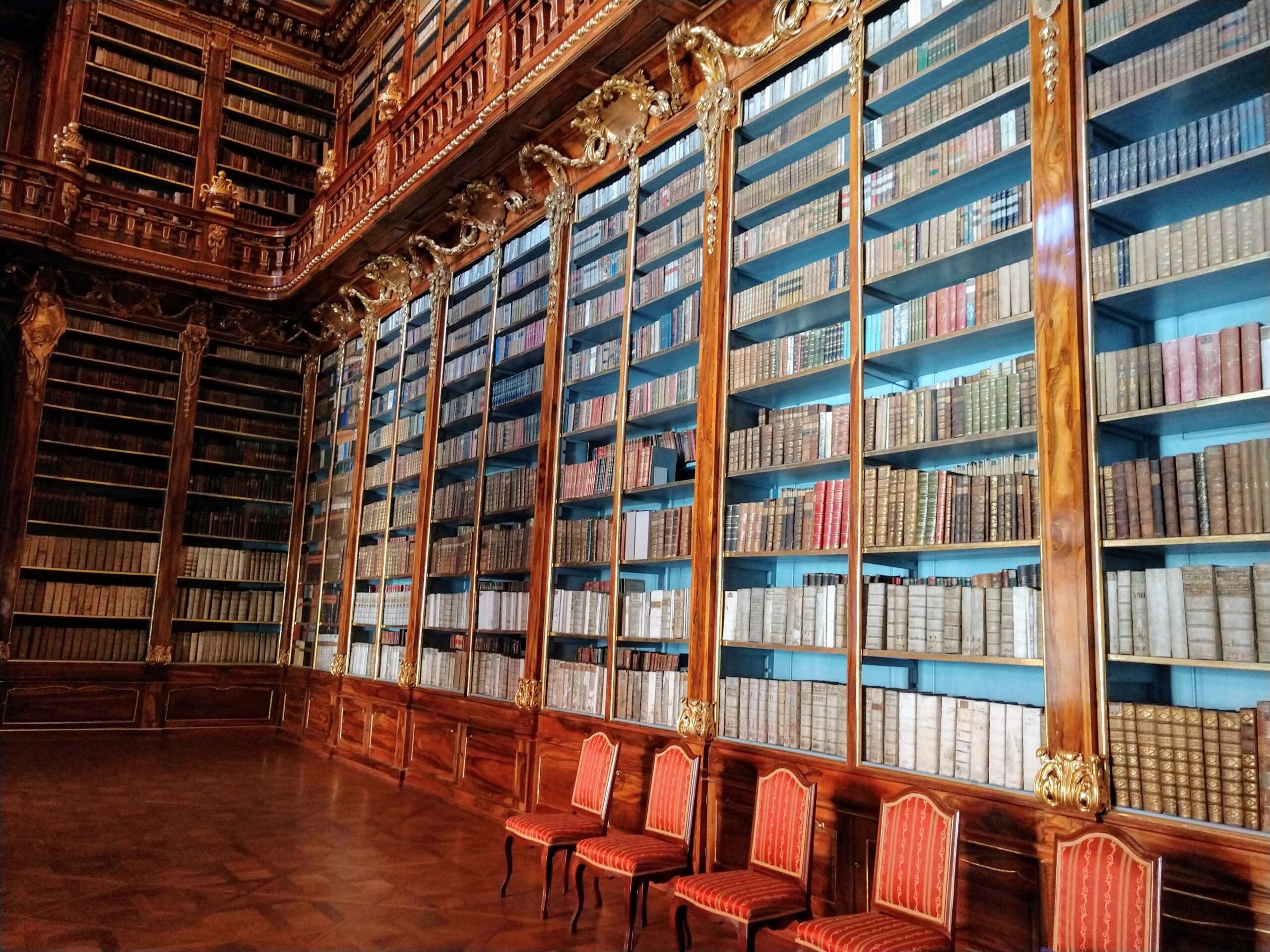
Information has never been more accessible and inexpensive than it is today. In centuries past, only the elite had access to information and education. Reading was a skill reserved for the wealthy, meaning that the information of the day was available only to those who could read. Books were hard to come by and out of reach for the vast majority of people. Today, the access to information that we have is abundant, a glut almost.
And maybe because it is so easy, it is often ignored. I find this curious, to say the least. Someone from the eighteenth century could never have, in their wildest dreams, considered the opportunities for knowledge we possess.
I try to keep packing stuff into my already filled to capacity brain. The more I learn, the more I realize what I don’t know, which deepens my desire to learn more. So, back to the books I go. One book may spark interest in one or two more ideas, which lead me to one or two more books, which lead to two or four more ideas worth pursuing.
Just as compound interest compounds on previous interest, knowledge builds on prior knowledge, and growth occurs exponentially. At some point, I will be smart. And if you know me, you may be thinking, for all that reading, he still isn’t that bright. I would respond with, “You are not completely wrong, but you need to consider the deficit in my original starting point.”
In the past few years, I have learned more about how my body works, which I have learned over the previous fifty-five years. I knew the various systems from biology class, but that is a far cry from understanding how they interact with one another. Which inputs will yield which results? There are trillions of chemical reactions that occur without our control or consent. What efforts can we take to influence those reactions to optimize health outcomes? I am just getting started in this area after four years, and I realize I am at a rudimentary level, which creates a deep desire to learn and know more.
Regardless of the level of understanding I currently have, it is enough for me to have made significant lifestyle changes that have accelerated my recovery in health and wellness. As you may know, I had to retire because of the health challenges I faced. This literally saved my life. I now have the time it takes to learn, experiment, and focus on wellness that many people don’t have. I understand that having that freedom is a gift, and not everyone can spend three to four hours each day working on their health.
However, we all have way more time than we think we do; it’s just how we choose to allocate it that is different. We got rid of cable 30 years ago (which incidentally was when I started reading books). I try desperately to limit my screen time, and even when I do fall under its spell, I try to consume things that will edify me rather than inflame me.
Your device of choice logs the time you spend on it. Take a look at the last four weeks to come up with an average. Make it a point to spend 10% less time each week for the next few weeks, and pick up a book. I have loads of recommendations if you need a title or to borrow one. One trick I learned is to have a book handy in the places you know you will be throughout the day, nightstand, kitchen counter, desk, and bathroom. You get the idea. Find a book on a topic that will hold your attention. Do you like golf? Pick one up about golf. Do you enjoy cooking? Pick one up about a famous chef. Do you like NASCAR? Pick up the TV Guide. Just kidding, that was insensitive.
You are never done with your to-do tasks, and you are never done learning. We happen to live in an unprecedented time of access to knowledge, information, and wisdom. Please make the most out of it.