
Kindness is like a pebble being tossed into a still, small pond. Once it breaks the surface of the water, the ripples continue on for a good long time. Many more ripples occur while the pebble gently settles on the bottom of the pond and is long since forgotten. To me, this means that impact lasts longer than the original act.
There are two notable fictional characters from recent memory that typify unbridled, unfailing kindness. I’m sure they will be recognizable to you as well. Buddy the Elf, played superbly by Will Ferrell, and Forest Gump by Tom Hanks. In each case, those two characters (which are quite different) hit me in the exact same way. It took me days to figure out what it was. The answer came to me after replaying the encounters they had with others. In both cases, they were ruthlessly kind.
Their kindness didn’t depend on the kindness they received, as both were exposed to truly despicable people who were downright mean. They seemed above the fray, as if they were playing by a different set of rules. I found inspiration in Forest Gump. Regardless of the circumstances that life threw at him, he didn’t allow it to change him. He remained simple and steadfast in how he moved and interacted with the world. Buddy faced adversity and meanness not only from people in New York City but also from the woodland creatures he encountered on his journey from the North Pole. He had a joy which was inexhaustible.
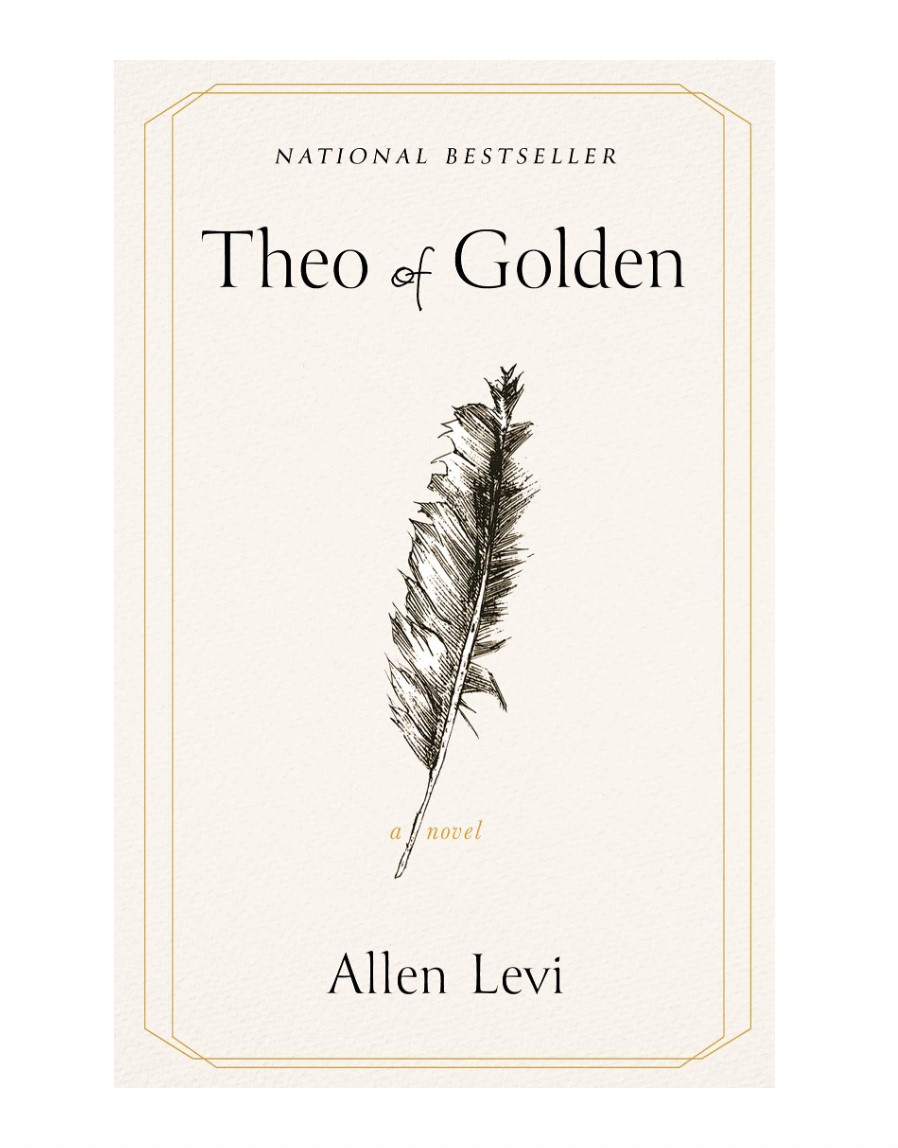
After finishing the debut novel by Allen Levi, Theo of Golden, I realized there is a third face that belongs on the Mount Rushmore of Kindness, and that is Theo. Theo is a mysterious elderly gentleman who moves to the small town of Golden, Georgia, in the twilight of his life (that is, if 86 years old is considered the twilight). We know precious little about this gentleman beyond what his inner thoughts reveal and his interactions with the people of Golden.
Within weeks, Theo has made friends with a few people in Golden, including the barista at his favorite coffee shop, the cantankerous bookstore owner, and several other unremarkable people he encounters. I say, unremarkable in the kindest way it can be considered, meaning they were simple people of no relative stature or position.
He is captivated by the portraits that adorn three of the walls of the coffee shop and by how perfectly the artist seems to have captured the essence of the 92 people he had the privilege of drawing. Theo wondered whether the subjects even knew these representations existed, and, if so, why they still hung on the walls of this coffee shop.
He manages to secure a third-floor apartment in a historic building overlooking the promenade below. Here, he could watch the busyness of this quaint city. As he slowly integrates himself into Golden, an idea forms. Why doesn’t he buy the portraits, write to the subject, and bestow the portrait on its rightful owner? Rather than mailing the picture, he writes a handwritten letter in his beautiful script requesting a meeting at the fountain where he would like to present them with their image.
He informs them that he is an old man, means them no harm, and simply wants to do something nice. He will be on a bench near the fountain, wearing a green flat cap, on Thursday at 7:00 pm. Once these encounters begin, we learn the story of other characters. He asks open-ended questions, allowing them to tell him their story. The pacing slows down during these conversations, and Theo lets him know that he has all the time in the world to hear more about them. Later, he tells them why he was drawn to their particular portrait. “I see someone very brave, who has suffered loss in their life, yet I also see a glimmer of hope.” This usually prompts the person to talk a bit more about their loss or share other stories. Theo concludes by saying that he sees a truly good person, someone who has the potential to become a saint.
I understand this may seem overly saccharine and like a Hallmark movie, but his genuine interest and love for these people keep it real. Slowly, one by one, the paintings come down from the coffee shop wall, only to be replaced by new images. His job will never be complete.
Finally, he makes a point of meeting the masterful artist who created these lifelike pencil drawings of the faces of Golden. The artist is happy for the increase in sales and happy to make the acquaintance of his generous benefactor. They develop an appreciation for one another, and Theo has claimed yet another friend.
Over the months, Theo’s circle of friends expands to include such unlikely characters: a mentally challenged homeless woman, an aspiring CPA, a street musician, a custodian, his daughter, and many more. The impact Theo has on each of them is transformative, like the ripples that spread quickly from the center of the pond. There is no judgment, only love.
People wonder who this man, with the Portuguese accent, is? Where did he come from? What does he want? He remains Teflon-like in how he shields questions and somehow turns them back to the person asking them. This also sounds like it may be annoying, but only with Theo’s charm can such an action seem as natural as the sunlight through the trees.
Slowly, the mysteries are resolved, and all is made known in a satisfying way. It is a compelling story written by a brilliant author who brings Theo to life, prompting the reader to examine their own encounters. I have thought a lot about kindness and how I can be more kind while reading this book.
So in the end, there are only three faces so far on the Mount Rushmore of kindness: Buddy the Elf, Forest Gump, and now Theo of Golden. There is room for one more. I aspire to be as kind as Theo and hope that if you read this book, you will too.